Ruganic: A Handmade Font
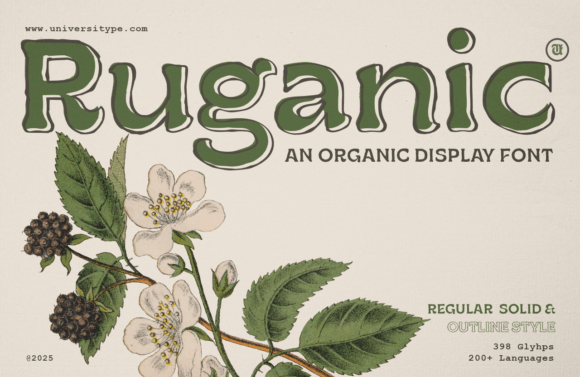
There I was, tracing the edge of a candle label with my finger, wondering how to make the text feel as warm and inviting as the soy wax inside. That’s when I discovered Ruganic. This slab serif font family has this raw, artisanal energy that makes every design feel like it was hand-carved from a tree trunk, not just typed on a screen.
What Makes Ruganic Special
Ruganic isn’t just a font—it’s a mood. It carries this rustic charm that feels like it belongs in a cozy cabin or a farmhouse kitchen. The thick, bold strokes give it a strong presence, while the subtle irregularities in the letterforms add that handmade authenticity. It’s perfect for anything that needs a little soul, whether it’s a greeting card or a product tag.
I’ve used Ruganic on everything from birthday invitations to seasonal signs. The way it sits on the page feels intentional, like it was meant to be there. It doesn’t shout, but it commands attention in a gentle, friendly way.
How I Use Ruganic in My Shop
One of my favorite uses is on candle labels. I print them out, cut them carefully, and stick them on jars. The texture of the font matches the texture of the wax, creating a cohesive look that customers love. It also works well on printable wall art—those designs that people can download and frame themselves. Ruganic adds that personal touch without being too busy.
For wedding stationery, Ruganic brings a sense of warmth and tradition. I pair it with a simple sans serif for the details, letting the title stand out. It’s great for welcome boards, thank-you notes, and even menu cards. The font feels like it belongs at a rustic wedding, but it’s versatile enough for more modern events too.
Practical Uses for Ruganic
When I’m designing a sticker sheet, Ruganic gives the text a bold, eye-catching quality. It’s easy to read even when the stickers are small, which is important for things like product tags or packaging. I’ve also used it on tote bags and mugs, where the font’s weight stands up well to different materials and printing methods.
For digital downloads, Ruganic adds a premium feel. Whether it’s a planner page or a printable sign, the font elevates the design without overwhelming it. It’s especially good for decorative wording, like quotes or mottoes, where the visual appeal matters as much as the message.
Best Practices for Using Ruganic
When using Ruganic on labels or small stickers, keep the text short and simple. The font works best for names, titles, and short phrases rather than long paragraphs. If you’re using it on a cutting machine, make sure the file is clean and the stroke is thick enough to hold up during the cutting process.
Pairing Ruganic with a clean, modern font can create a nice contrast. I often use a sans serif for body text and let Ruganic take the lead on headings or titles. This helps maintain readability while still keeping the design interesting.
Font Details and Licensing
Before using Ruganic for commercial purposes, check the included styles and file formats. Make sure you have the right license for your project, whether it’s for physical products, printables, or digital downloads. Some fonts include alternates, ligatures, and swashes that can add extra flair to your designs.
It’s also worth checking if the font supports multiple languages, especially if you’re targeting a global audience. Ruganic’s slab serif structure makes it readable in many scripts, but it’s always good to test it out first.
Final Thoughts on Ruganic
Using Ruganic has changed the way I approach my shop’s design. It adds a layer of personality that’s hard to replicate with other fonts. Whether I’m making a holiday tag or a wedding invitation, Ruganic feels like the right choice. It’s a font that understands the value of craftsmanship, and that’s something I can really appreciate as a maker.